Teach Your Children*
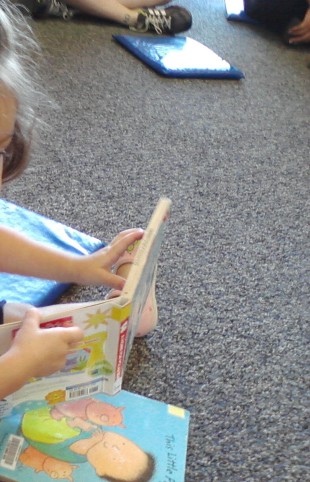 I’ve been reading for almost all my life. I started reading crime fiction when I was a child, and still do. I write crime fiction, too. I haven’t become a murderer or robbed a bank. I’ve read about runaways and drug abusers, too. I’ve even written about a runaway. Those things didn’t make me run away or abuse drugs. I’ve read about characters who are auto mechanics. I didn’t become one. I think you get the idea.
Reading didn’t turn me into any of the characters I read about in books. Instead, reading set me free. Through having access to books, I’ve discovered much more than I’d have learned otherwise. I’ve been entertained, taught, and yes, sometimes shocked and disturbed. That’s been helpful to me, too. I’ve read books I disagreed with, and I’m still here to tell the tale. My point is, books, even the books I read as a child, didn’t ‘turn me into’ anything other than an educated person who critically thinks about things and knows how to wrestle with ideas. Books, like the best teachers, didn’t tell me what to think, they taught me how to think. And I still learn from them.
There is convincing research (at least to me) that access to books supports children’s cognitive development, social/emotional understanding, and flexibility of thought. They also spark children’s imaginations and creativity. If you’re a booklover, too, I’m sure I don’t have to convince you that books and by extension, libraries, are important supports for children’s growth. I know I’ve always loved being able to go to the library, whether it was the public library or a school library. That’s where I did a lot of learning. And that’s where students of mine have learned, too.
And that is why I’m so concerned about plans to close school libraries and repurpose them. Fortunately, that’s not happening where I live, but that it’s happening at all is deeply disturbing. I’ve been in education long enough to know that schools are not cheap or easy to run. Space is at a premium, and there are numerous calls on a school’s budget and staff time. But closing libraries, re-positioning librarians, and repurposing library space is not the answer.
Students who do not have regular access to school libraries are less likely to do well in classes, be accepted at competitive universities, and have the flexible thinking skills they need to succeed in the world of work. They are less likely to be open to other points of view, and less likely to understand the cultural knowledge that’s behind many allusions they’ll hear. This puts them at a real disadvantage, whether they’re applying to university, competing for a desirable job, or simply having a conversation.
Without school libraries, student access to books could possibly be cut off, since not all students live near public libraries, and plenty of students can’t afford to buy books. What’s more, if students don’t learn how to use a library (as they do in school libraries), they may not be able to take full advantage of a public library. This further disadvantages students.
Closing and repurposing school libraries also sends a message to students and the community that libraries, books, and reading are not important. This could have many negative consequences, not the least of which is that students will be unprepared for a world in which thinking, ideas, and learning from reading really do matter.
As a writer and educator, I don’t feel I can sit by and see this happening and say nothing about it. Solving schools’ financial or other problems by cutting out libraries does far more damage than any good that could come of it. We need to find ways to support school libraries. Too much is at stake for us to ignore them.
*NOTE: The title of this post is the title of a song by Crosby, Stills, Nash, and Young.
 Crime Writer Margot Kinberg